Before you begin, there are several key factors you need to assess. This is to ensure the heating system is suitable for your home or office, meets your needs, and complies with local regulations in your community.
Here are some brief points to consider:
Space Requirements:
First, ensure the designated installation area has sufficient space for airflow and maintenance, and is free of obstructions. HPWHs are taller and wider than traditional water heaters, so they typically require approximately 450–700 cubic feet of air volume and 6–12 inches of headroom. Ideal locations for installing a high-pressure water heater include basements, garages, or utility rooms.
Climate and Temperature:
Heat pump water heaters work by extracting heat from the surrounding air, so the average temperature of the installation area must be considered. They perform best at ambient temperatures (40°F to 90°F), and efficiency will decrease if the installation area is too cold or too hot. However, advanced heat pump technologies, such as R290 heat pump water heaters, can provide hot water efficiently and cost-effectively year-round.
Electrical Requirements:
Verify that your electrical system meets the specific power requirements of the heat pump you wish to install, or if an upgrade is needed. Most HPWHs require a 240V, 30A circuit, while some models support 120V. Also, ensure proper wiring and a dedicated circuit breaker to ensure optimal operation of the water heater. You should consult a certified electrician to help you assess these issues.
Plumbing and Drainage:
Confirm that your existing plumbing system in your home or commercial premises is compatible with the heat pump's connections. After completing this, you will need to prepare some plumbing materials, such as copper or PEX tubing, shut-off valves, and temperature and pressure (T&P) relief valves. HPWHs also produce condensate (similar to air conditioning), so you will need to install a condensate pump or drain line nearby and direct it to a safe drainage point.
Local Regulations and Permits:
Many areas require a heat pump water heater installation permit. Therefore, contact your local building authority to confirm and apply for your insurance. Additionally, carefully review and strictly adhere to the plumbing, electrical, and seismic requirements in building codes. Assess your skills and consider hiring a certified professional to avoid safety risks or regulatory violations.
Costs and Incentives:
The installation cost for an HPWH ranges from $1,000 to $3,000. Additional costs will apply if electrical or plumbing upgrades are required. Nevertheless, an HPWH is 2 to 3 times more efficient than a standard electric water heater and can potentially help you save $300 to $500 on your energy bill annually. Furthermore, you can enjoy rebates and incentives for those who make qualified energy-saving improvements to their homes, such as the U.S. Inflation Reduction Act's subsidy of up to $2,000 for high-pressure water in 2025.
The following is a step-by-step guide to installing a heat pump water heater:
Before installation, ensure the installation site meets the space, ventilation, and structural requirements of an HPWH unit. The ground should be level and even to prevent tipping or unevenness. It should also be able to support the weight of the HPWH and the water it holds (for example, a 50-gallon fish tank weighs approximately 400-500 pounds when fully loaded). Choose an installation location close to the floor drain and with access to a properly rated electrical circuit.
For residential units, common locations include basements, garages, storage rooms, or outdoor areas (outdoor-class vehicles). For commercial heat pump water heaters, a machine room or a designated well-ventilated facility space should be considered.

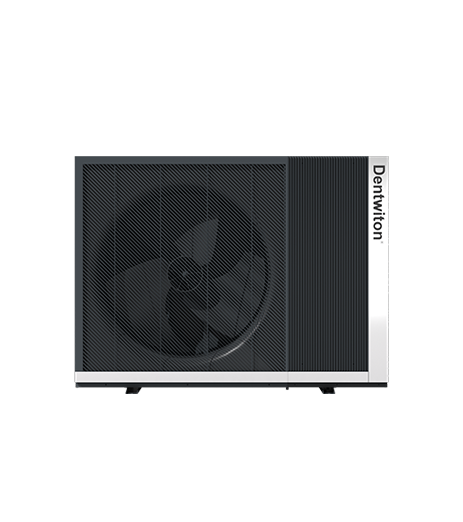
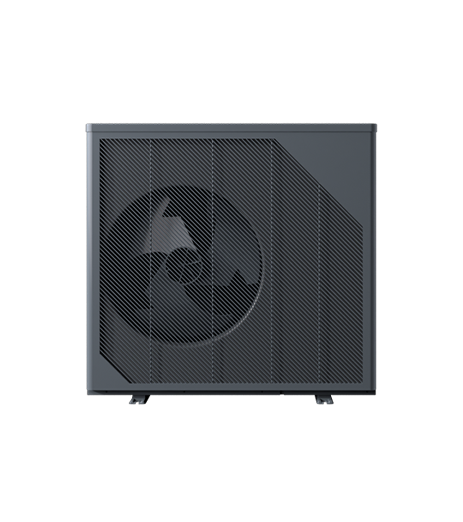
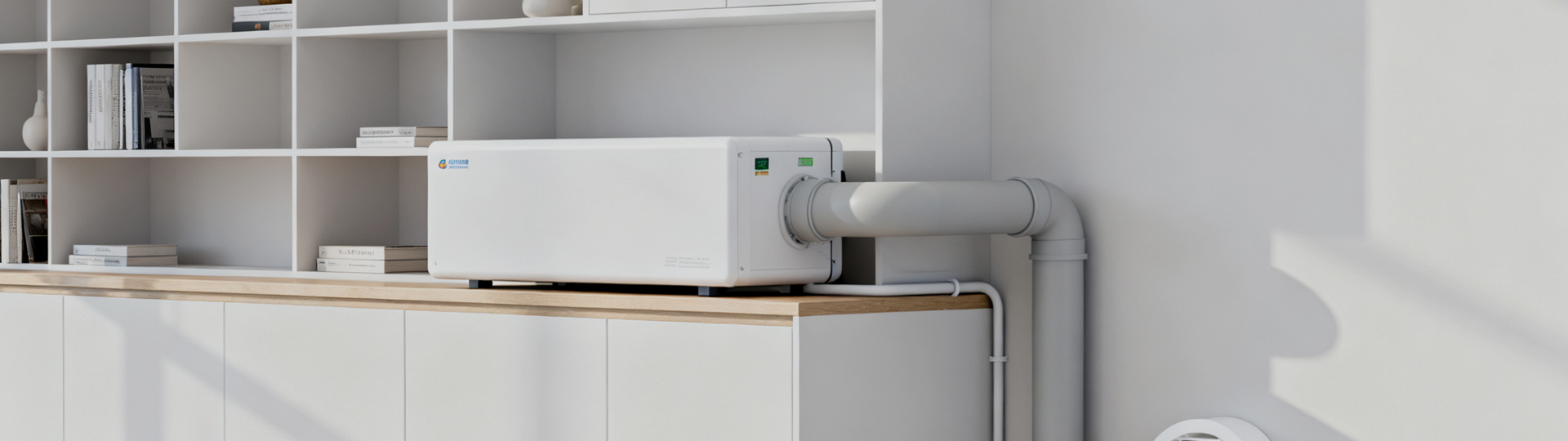
Install the heat pump unit according to the manufacturer's instructions. It should be placed on a solid foundation, upright, and secured with anchor bolts. Maintain a reasonable distance from surrounding walls.
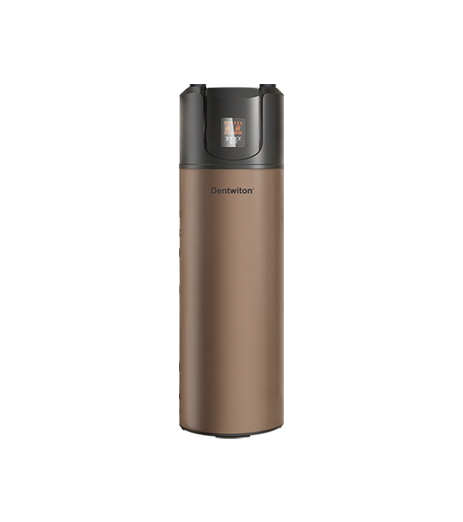
The water storage tank must be installed on the ground, mounted on a sufficiently large concrete slab to accommodate its bottom; it cannot be wall-mounted. Ensure a distance of 3-5 meters between the heat pump unit and the water storage tank.

Connect the cold water supply line (copper or PEX) to the bottom inlet of the tank using a shut-off valve and flexible connector. You can apply Teflon tape to the threaded connections to ensure a tight seal.Next, connect the hot water line from the top outlet of the tank to your home or office plumbing system. Install a temperature and pressure (T&P) relief valve on the top or side of the tank and connect it to a drain pipe that leads to a safe drain point (depending on your local building code).
Next, connect the hot water line from the top outlet of the tank to your home or office plumbing system.Install a temperature and pressure (T&P) relief valve on the top or side of the tank and connect it to a drain pipe that leads to a safe drain point (depending on your local building code).HPWHs produce condensate when extracting heat from the air, so a condensate drain pipe (typically a 3/4-inch PVC or flexible pipe) should be connected to the drain outlet of the heating system. Direct the drain pipe downhill to a floor drain or external drain point to ensure proper drainage.

First, verify that your home or commercial circuit breaker and wiring meet HPWH requirements (e.g., 240V, 30A). If there are issues, run the appropriate size conduit and wiring (10 gauge for a 30-amp 240V circuit) from your home or office circuit breaker panel to the high-pressure water heater. Once complete, connect the wiring to the unit terminal blocks according to the manufacturer's wiring diagram.
When making these connections, ensure proper grounding and that the power is disconnected before connecting. It is recommended that you consult a certified professional to connect the heat pump water heater to your home or office electrical system.

Open the cold water supply valve to fill the tank. During this process, check for leaks at pipe connections. Then, power the unit by opening the circuit breaker. Next, set the tank temperature to 120 degrees Fahrenheit and set the unit to the desired operating mode (heat pump only) via the control panel.
Once operation begins, check that the unit is heating the cold water (most units require 1-2 hours to fully heat one tank). Additionally, check if it is drawing in and expelling cooler air. Also, check that the T&P pressure relief valve and condensate drain are working properly.

Here are some measures to ensure your newly installed high-pressure water pump operates optimally and extends its lifespan:
Insulate the hot and cold water supply lines to prevent heat loss and improve energy efficiency.
Ensure the heating equipment is kept at a safe distance from any flammable materials.
Inspect the equipment every 3-6 months, checking for signs of leaks, corrosion, or damage to the exterior, piping, or electrical connections.
Clean or replace the air filter every 3-6 months to ensure efficient airflow and prevent dust buildup.
Keep the area around the HPWH clean, free of debris, dust, or obstructions to maintain good airflow.
Flush the tank annually to prevent deposit buildup.
Before performing any maintenance, turn off the power to the circuit breaker to avoid electric shock.
Conclusion
An HPWH is a valuable investment for all homeowners, providing hot water while reducing their environmental footprint.By following the steps above, you can install a heat pump water heater smoothly and without any problems. However, please remember to follow safety guidelines and the manufacturer's instructions to ensure a successful installation. If you lack sufficient experience in plumbing or electrical work, do not hesitate to hire a certified professional.
 Add:8F, Xinghe Business Tower, 89 Jiefang Road, Hangzhou, Zhejiang, China




Copyright © 2026 Dentwiton. All rights reserved. 浙ICP备2025219677号