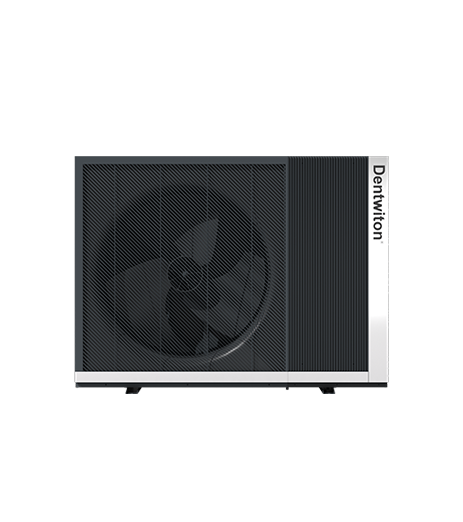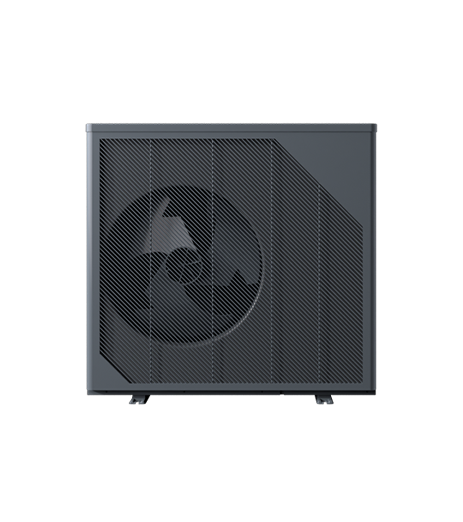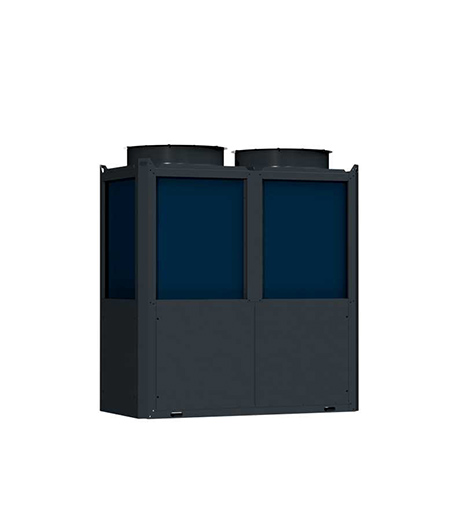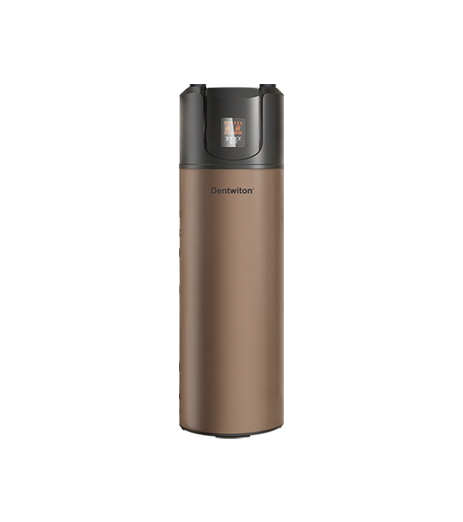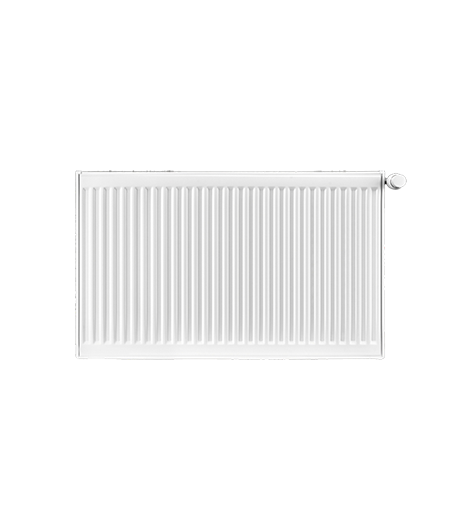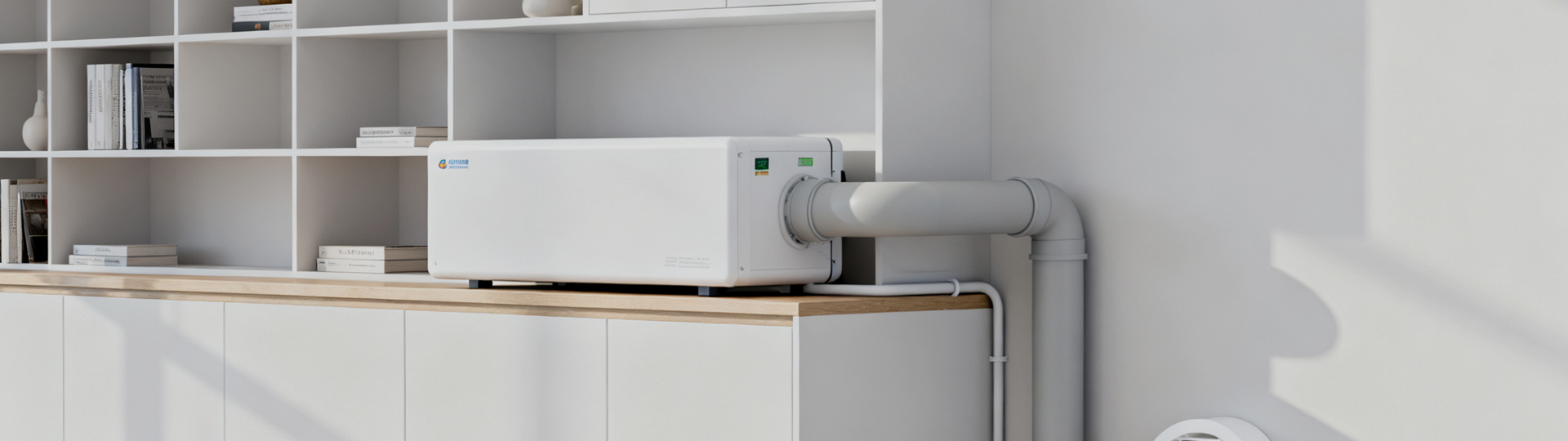
Air source heat pumps work on the same principle as air conditioners: they extract heat from a heat source and pump it to their destination.However, they do the opposite—they extract heat from the outside air to heat your home. Unlike traditional gas or oil boilers, they are electrically powered.
Because they do not rely on fossil fuels, carbon emissions are significantly reduced, while offering greater efficiency and energy savings.
Air source heat pumps distribute heat throughout the house through vents, ducts, radiators, or floor pipes.They can also be used as water heaters, providing hot water up to 90 degrees Celsius. For every 1 kWh of electricity consumed, an air source heat pump produces 4 kWh of heat, making it extremely energy-efficient.More importantly, heat pumps have an average lifespan of over 20 years, far exceeding that of gas boilers. All of this means that, in the long run, heat pumps save more money than traditional heating systems.
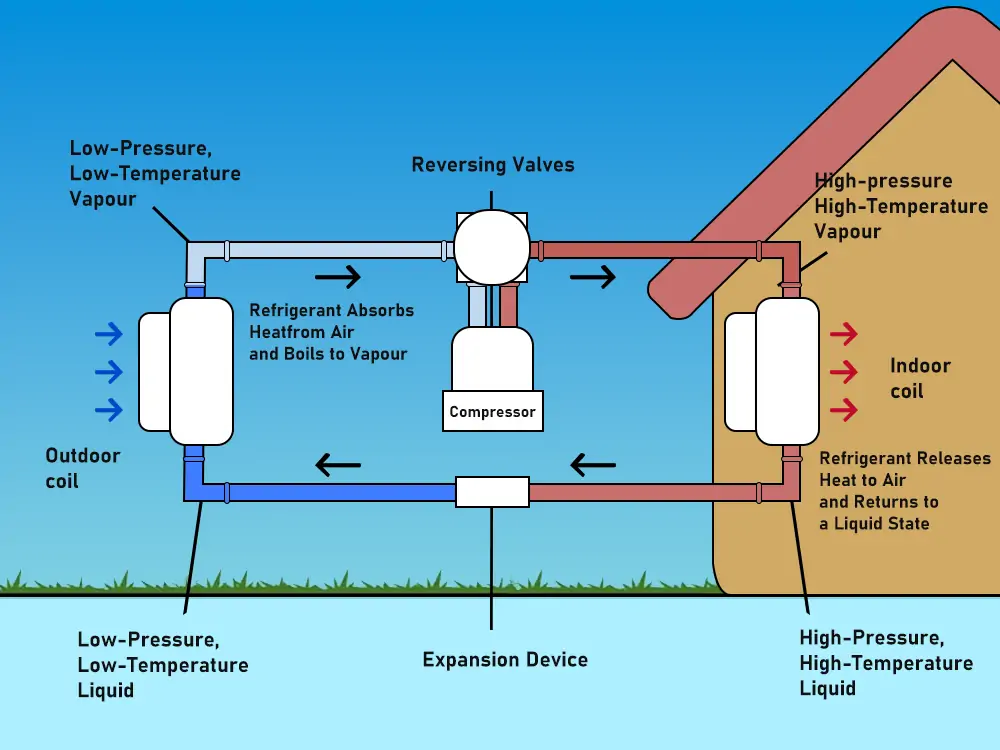
Air source heat pumps work on the same principle as air conditioners. The components are identical, but the heating direction differs. Air conditioners cool the indoor unit and heat the outdoor unit, while heat pumps heat the indoor unit while simultaneously cooling the outdoor unit.
An air source heat pump consists of two units: one installed indoors and the other outdoors.Heat is transferred between these components via liquid refrigerant. The refrigerant undergoes cooling and heating cycles, converting itself into a liquid or gas.
When the liquid refrigerant comes into contact with the external radiator, it boils into a gaseous state.An electric pump compresses this gas and delivers it to the internal unit containing the condenser. The condenser converts the gas back into a liquid, releasing heat into the interior through pipes, a fan, or water.The liquid refrigerant is now ready to return to the outside, and the cycle repeats.
Heat pumps rely on electricity, a cleaner renewable energy source than oil or natural gas.Air source heat pumps, combined with solar panels, offer additional energy savings.The industry is experiencing tremendous growth and innovation.Scientists at Imperial College London have designed a solar-powered heat pump capable of providing space and hot water for homes and businesses.Their solutions can reduce household energy consumption by up to 39%!
As of 2022, fossil fuels such as oil and gas accounted for over 55% of the UK's energy consumption.One of the main reasons the UK government encourages people to choose heat pumps is to reduce carbon emissions.Gas heaters consume over 1800 kg of CO2 per year, while oil boilers consume up to 2900 kg!Switching to air source heat pumps can achieve carbon savings of over 70% per household.Heat pumps will mean less pollution and more energy savings across the country.
Air pumps transfer heat from outside to inside.However, they can also do the opposite—cooling your home by taking heat away from it.This interoperability makes heat pumps highly versatile.This makes them ideal for homes in the hot summers of the south coast.Turn on cooling mode and you have whole-house air conditioning. In the colder months, you can turn on heating mode.
The initiatives taken by the UK government show that they are serious about heat pump adoption. Installing air-source heat pumps is now easier and cheaper than ever before. The Boiler Upgrade Scheme is one such provision. It covers up to £7,500 of the installation fees of a heat pump or biomass boiler when you switch from a gas/oil boiler. Despite this substantial waiver, not many people are aware of this. As per the National Home Energy Survey, 73% of UK households did not know about the Boiler Upgrade Scheme.
While BUS applies in the UK and Wales, the ECO4 scheme delivers financial aid to low-income houses in England, Scotland, and Wales. Another government benefit is the 0% VAT on clean energy. As per this provision, the government will waive £750 on heat pump installation until March 2027.
In addition, consumers can benefit from other subsidies on renewable energy sources. For example, if you use a solar panel for your heat pump, you can apply for the ECO4 or Home Upgrade Grant to receive funding assistance. There has never been a better time to switch to heat pumps!
Residential consumers are leading the adoption of heat pumps. According to a report by the Office for National Statistics in 2022, 83% of adults have described an increase in daily expenditure. Almost 80% of the UK’s households use gas heating during the winter. Under these economic conditions, it is no surprise that more people are turning to heat pumps. An air source heat pump can conserve £1,300 more than an outdated electric heater. Savings are even more significant for homeowners who switched from LPG boilers, with up to £1,400 remaining in their pockets!
Installing air source heat pumps can be costly, as prices range from £3,000 to £10,000. In addition, heat pumps require proper insulation and pipework to operate. While these renovations can be costly, government grants can make it exceptionally cheaper. Subsidies are available not only for heat pumps but also for loft insulation and cavity wall insulation.
Electricity costs three times as much as gas – does this make heat pumps three times more expensive than gas boilers? No, because air source heat pumps have 300% efficiency, while gas boilers have 94% efficiency. The cost of running heat pumps is 30% more than traditional boilers, but they have a longer lifespan and are safer.
While air source heat pumps are highly efficient, they are not entirely silent. On average, a unit may create 60 decibels of noise, which can cause moderate inconvenience.
Heat pumps are split units, with one component sitting outside the walls of your house. They can measure up to 1 meter in height and 1.5 meters in length. The fan requires substantial open space to pull air, which might not be available in all cases. However, recent government guidelines allow heat pumps to be placed along neighborhood limits, giving you more options to work with.
Air-source heat pumps require efficient piping, ductwork, and insulation to operate effectively. Since water is circulated at a lower temperature than traditional boilers, you might also need to renovate your outdoor water storage tank.
Are you interested in investing in an air source heat pump but not sure it’s right for you? Keep in mind the following:
Heat pumps are becoming more versatile and compact, making them ideal for home use. If you're still hesitant, consider this: a domestic gas boiler produces twice the carbon emissions of all the UK's power plants combined. Air source heat pumps will play a key role in achieving net-zero carbon emissions at the turn of the century.
如果您正在寻找经验丰富且可靠的合作伙伴,不妨选择NEWNTIDE。凭借超过21年的热泵制造卓越经验,我们致力于提供最佳的可再生供暖解决方案。
我们的工厂位于中国广州市,占地50万平方米,生产面向住宅和商业领域的热泵。我们专注于用于空间供暖和制冷、热水加热以及游泳池加热的空气泵。
NEWNTIDE是亚洲奥委会和中国南极考察队的骄傲合作伙伴。我们在全球80多个国家布局,热衷于满足您的需求!立即联系我们,获取热泵解决方案。
 Add:8F, Xinghe Business Tower, 89 Jiefang Road, Hangzhou, Zhejiang, China




Copyright © 2026 Dentwiton. All rights reserved. 浙ICP备2025219677号