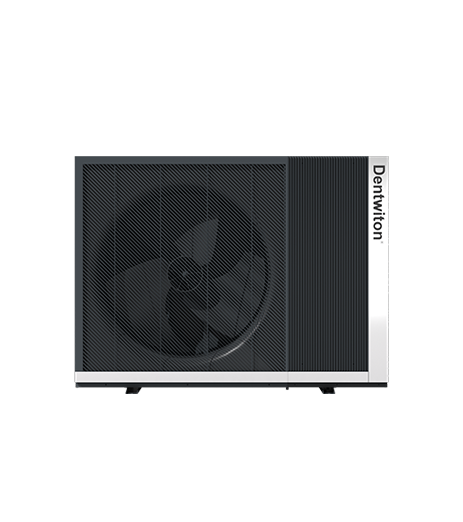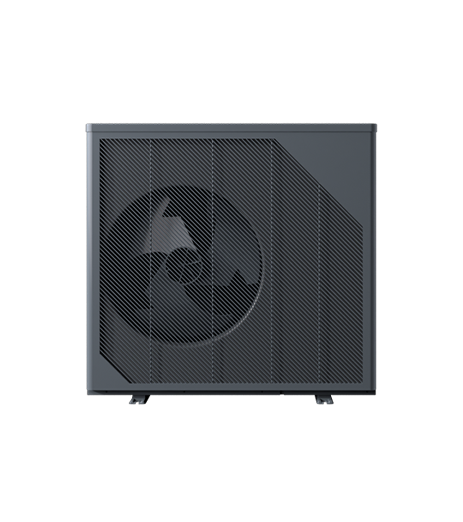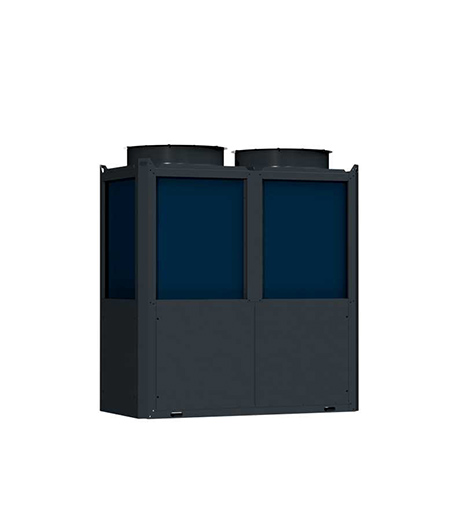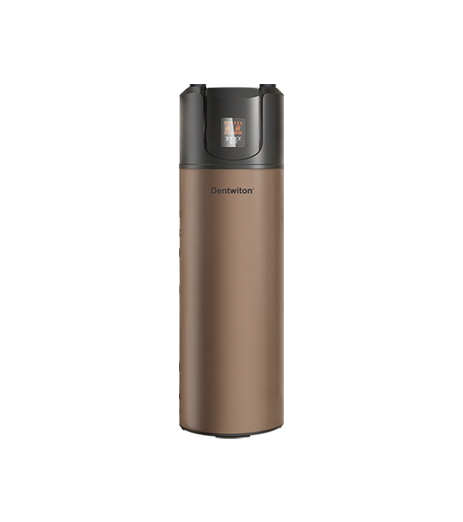
A heat pump is undoubtedly a worthwhile investment for most homeowners.This is especially true compared to traditional heating systems, particularly gas boilers.Heat pumps offer a more sustainable and efficient solution for heating/cooling.
In the long run, this can significantly reduce your energy bills.It's also a source of carbon footprint reduction. You probably know that modern heat pumps are becoming increasingly durable, efficient, and reliable.This has led to a significant increase in their popularity in Europe.
However, heat pumps are not the perfect choice for everyone.When considering investing in and installing a heat pump, you should consider the following:
Consider the most modern and well-insulated homes equipped with large radiators or underfloor heating. Therefore, a heat pump may be a worthwhile investment because you will get an environmentally friendly heating/cooling solution.For older homes, switching to a heat pump can also be worthwhile.Before that, you'll need to upgrade your home's insulation or install larger radiators.
This is especially important considering government grants and programs aimed at helping low-income individuals install heat pump systems.
As mentioned earlier, you should strongly consider switching to a heat pump.This is because it's more economical, has lower maintenance costs, and is safer than a conventional boiler.Heat pumps are 300% to 600% more efficient than these boilers.
These appliances are more sustainable than oil or gas heating.They are also more energy efficient than other heating systems.
Heat pumps further reduce reliance on fossil fuels, which in turn are affected by price fluctuations and geopolitical tensions.Therefore, heat pumps offer a more stable energy solution. They are also environmentally friendly, saving costs and reducing your carbon footprint.
These systems provide cooling, heating, and hot water, making them a versatile option for year-round comfort.
Consider the government schemes, grants, and other incentives available throughout Europe.These incentives aim to cover initial installation costs and make the transition to heat pumps more affordable.
The good news is that installing a heat pump is much simpler than before.This makes it a viable option for European homeowners.Here are the key advantages a heat pump offers for making an informed decision:
Heat pumps function year-round and have higher energy efficiency levels than other heating systems. That means even in frigid weather, such appliances can operate efficiently. You can observe that the average rating for heat pump efficiency is up to 300%. Moreover, the top models can achieve up to 600% efficiency.
Both ground-source and air-source heat pumps employ electricity to compress and transfer heat. Hence, the heat energy they produce is higher than the electricity they consume.
Moreover, such appliances can function on renewable electricity, such as that generated by solar panels, further increasing their energy efficiency.
Heat pumps are chiefly safer than other heating systems, like gas boilers. You may not realize it, but a gas boiler burns combustible fuel to produce heat. This can result in a lot of pressure, leading to more problems.
With heat pumps, that’s not the case. They are fundamentally safer owing to the nonexistence of a flammable fuel source. They also lack the presence of combustion products like carbon monoxide. They use just electricity.
Heat pumps generally have a longer lifespan than usual heating systems, such as gas boilers. On average, heat pumps can endure for 15-20 years.
The latest heat pump models can thrive for up to 25 years. That’s owing to the latest technological advancements. In contrast, the lifespan of gas boilers is between 10-15 years. Furthermore, routine maintenance of a heat pump unit is imperative to maximize its longevity fully.
An admired aspect of heat pumps is that they often provide triple functions: heating, hot water, and cooling for households, businesses, and industries.
Thus, such devices deliver cool air, especially during summer, in addition to heating and hot water. That’s why such systems are versatile cooling and heating solutions for your home or business.
Heat pumps typically require lower maintenance than conventional boilers. This means the recommended yearly check-up for such devices can be more straightforward and swifter, helping the heat pump unit perform at its best.
The price of heat pumps, including their air-source varieties, is very high. You can expect to pay between £7000 and £20000 for such variants. The cost of ground-source heat pumps is even higher, ranging between £15000 and £40000.
For a 3–4-bedroom household, the average air-source heat pump expenses lie approximately £12000.
Yet, the good thing is that varying schemes, incentives, and grants are available. They aid in substantially lowering the cost of installing air-source heat pumps.
For example, the Boiler Upgrade Scheme (BUS) is the principal heat pump scheme in the United Kingdom (UK). It offers a grant of £7500 towards your heat pump costs, including air-source variants. It’s applicable when replacing a prevailing oil or gas boiler with a heat pump.
That can markedly lessen the cost of heat pumps. That implies you can get a top air-source model at a much lesser upfront cost.
Consider another example of the Netherlands. Here, the “ISDE” subsidy program offers grants that range from €500 to €2,000. It applies to residential heat pump installations, including air-to-water heat pumps. Yet, let’s look at another example of Denmark. Here, household owners can get grants. That covers up to 30% of the expenses of installing energy-efficient heat pumps.
Given the advantages, you may wonder if an air-source heat pump is ideal for you. Here are some pivotal aspects to consider and help you decide on this matter:
Gas and other non-renewable energy sources may become more expensive in your area.In this case, an air source heat pump can reduce household energy costs.
It is recommended that your home be well-insulated.If this is the case, you should install an air source heat pump.Without proper insulation, you may not be able to fully utilize your appliances.
The outdoor unit of air source heat pump variants is often concealed.However, sufficient space is needed for good airflow. A sunny location is even better.
Note that air source heat pumps may become less efficient at extreme freezing temperatures.Many well-known brands and manufacturers of modern air source heat pumps operate well at -20°C.
You can indeed connect an air source heat pump to existing radiators.However, they will not reach the same high temperatures as oil or natural gas heating.
On the other hand, these appliances perform well in underfloor heating systems.This is because these devices operate at lower temperatures.
Check if there are incentives and grants in your country to reduce upfront costs.Government grants can be a significant help due to the higher cost of heat pump technology.
Heat pumps, especially their air-source type, are definitely worth the investment.They offer several advantages over traditional combustion boilers across Europe.
This makes them an increasingly popular choice for heating and cooling in our homes and workplaces.They are considered a “green” heating solution because they involve no combustion process.
Instead, they extract and deliver heat from the surrounding environment.Many units offer triple functionality: heating, cooling, and hot water supply.
Despite the higher initial cost, these units offer long-term energy savings.You can take advantage of the programs, grants, and incentives available in your country.These can also help make the transition to heat pumps more affordable.
 Add:8F, Xinghe Business Tower, 89 Jiefang Road, Hangzhou, Zhejiang, China




Copyright © 2026 Dentwiton. All rights reserved. 浙ICP备2025219677号