You may know that decibels (dB) are the logarithmic unit used to measure sound level. This means that for every 10 dB increase in noise, the sound increases tenfold.
For example, an appliance with 50 dB noise is ten times louder than an appliance with 40 dB noise. Now, let's talk about the noise level of a heat pump. Typically, this ranges from 40 to 60 dB.
This means that the average sound of a heat pump is compared to household noise, such as the hum of a refrigerator. In other words, the hum produced by a heat pump is usually no more than 40 dB. When the heat pump unit runs for extended periods, such as in cold weather, this can reach 60 dB.
The typical sounds emitted by these devices include a slight hum from the compressor, or perhaps a slight whistling from the fan.
However, there is a misconception that heat pumps are noisy. This comes from earlier modern devices of this type, which were noisier. Since the mid-20th century, many technological advancements have occurred. Today's heat pumps are more compact, quieter, and more efficient.
There are regulations governing the noise levels of properties equipped with such devices.
The goal is to minimize disturbance to your neighbors. We consider the UK to be a European country.
Here, the legal noise limit for heat pumps is 42 decibels.It is measured from the nearest adjacent property boundary. This means the noise limit should not be exceeded. Your neighbors should not experience this.
Furthermore, in the UK, the following regulations provide guidance for noise emissions:
The Noise Act 1996
The Environment Protection Act 1990
These help manage the noise impact of heat pump systems. If a unit is extremely noisy, an investigation may be necessary.
It is crucial to install such systems at least 1 meter from the property boundary. This further helps reduce noise disturbance to nearby homes.
The sound level of a heat pump varies depending on the type of unit.Air source and ground source heat pump systems are among the two main variations of this type of equipment.
Understanding the noise level of each type of heat pump is essential. This will also help you make the right choice when purchasing. Let's explore this in more detail:
The air source for this type of equipment includes components such as fans and compressors.Therefore, they tend to produce more noise compared to ground source variants.
For example, the fans in these appliances produce a noticeable hum, especially during colder seasons, primarily when the system is more difficult to operate.However, sound levels can vary between models. Some models incorporate quieter designs and sound insulation technologies.
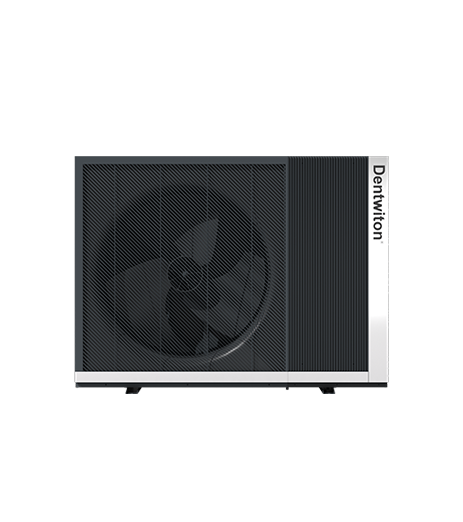
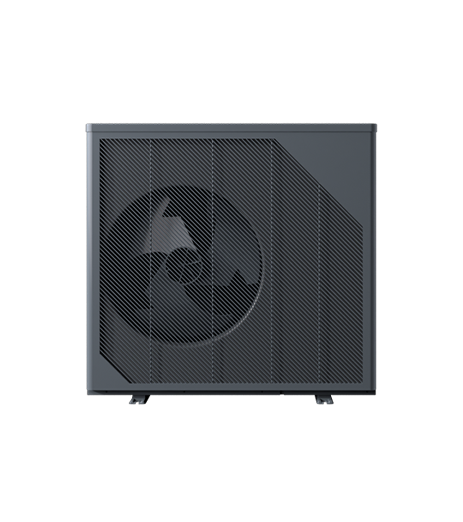
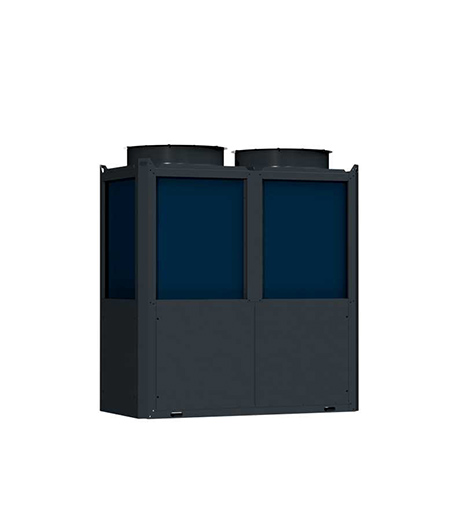
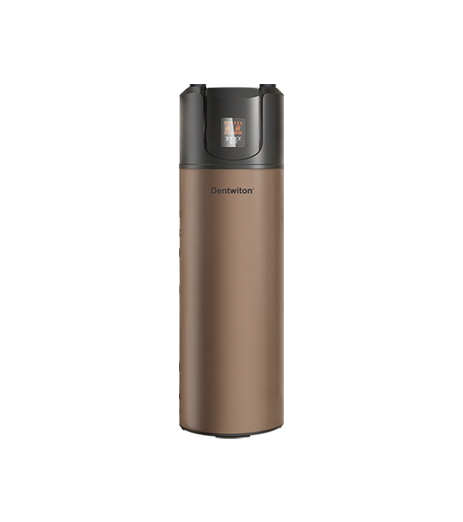
Air source variants typically produce 40-60 dB at a distance of one meter, but rarely approach 60 dB in practice.Dentwiton offers the quietest option, with a noise level of only 31 dB(A) measured at 1 meter. Please see details.
The location of an air source heat pump system further affects its noise.You can install such units away from windows or place obstructions, which helps reduce indoor noise.
This illustrates the importance of proper installation. Therefore, this usually prevents the unit from becoming a potential nuisance for you or others.
These ground source units transfer heat through underground pipes.They are quieter than air source units because they do not have fans.
You can see that these systems use a ground loop.It circulates a mixture of antifreeze and water. The goal here is heat exchange with the ground.The result is minimal noise; these systems don't need to work as hard.
The main noise source for such systems is usually the indoor unit.They are generally quieter, producing noise levels similar to a refrigerator.
A properly installed ground source heat pump should not produce more than 42 decibels of noise at a distance of only one meter.However, the quietness and tranquility it provides makes it a worthwhile investment in noise-sensitive environments.
Besides system type, other factors can contribute to heat pump noise. Some well-known examples include:
Installation and placement are key factors contributing to heat pump noise.
Poorly installed heat pumps can cause a variety of problems, primarily inefficiency and excessive noise.In contrast, a properly installed system will operate more efficiently with minimal noise. This ensures the comfort of residents and neighbors.
Similarly, the correct location can significantly reduce unwanted noise. This means that installing the heat pump outside bedrooms and living rooms reduces noise disturbance. The location of the outdoor unit of the appliance plays a crucial role here.
Therefore, homeowners should choose reputable and professional installers to install such appliances. The installers should have a proven track record of successful and effective heat pump installations.
Another factor that can cause noise from such equipment is its operating environment.
You may know that their gas supply types work harder, especially in winter.This increases noise levels because the appliance exerts extra effort to maintain an ideal indoor temperature.Here are some aspects that affect this:
●Compressor operation:The compressor may operate at higher speeds in cold conditions, producing more noise.
●Fan speed:The outdoor unit's fan may spin faster in cold conditions to draw in more air. This leads to increased noise.
●Defrost cycle:Your unit may participate in the defrost cycle to prevent icing. This temporarily increases noise.
●Temperature changes:On cold days, you may raise the thermostat of your appliance by several degrees.In this case, your appliance may work harder, producing more noise.
Components of the appliance may also wear out or break down over time. This can lead to increased heat pump noise. In such cases, professional handling is necessary.
The noise level of a heat pump also depends on the manufacturer and the manufacturing quality of the specific model.
Choosing a low-noise model is an effective way to reduce equipment noise.In recent years, many manufacturers have launched ultra-quiet heat pump models.
Therefore, many manufacturers are further pursuing Quiet Label certification.This is a rigorous third-party testing process designed to identify the quietest heat pumps.
The manufacturing quality and design vary between different models.These design differences can lead to differences in noise output.
Air source heat pumps have noise levels similar to ordinary gas boilers (approximately 40-60 decibels).However, you may notice that heat pumps are less noisy than gas boilers.This is due to the location of the respective heating systems.Most boilers are installed in areas inside the home, such as the laundry room or kitchen. You will typically spend a significant amount of time there.
On the other hand, gas source equipment is installed outside the home.Therefore, you are less likely to hear the noise they produce.However, ground source variants are even quieter (ranging from 40-42 decibels).Oil boilers can be noisier than gas boilers and air source heat pumps.Their noise levels can reach 60-65 decibels.
Usually, the heat pump manufacturer will specify the noise level for your model.This is on your model's webpage.
You can search for and open the online manual for that model.It usually provides information on the model's expected noise level. You can also contact the brand or manufacturer directly for more information.
Air source heat pump noise does increase with age.You can see that older or poorly maintained equipment may produce more noise over time.Here are some important considerations in this regard:
Regular maintenance and upkeep of your air source equipment.It greatly helps to address current problems promptly, thereby minimizing noise increases.
Here are some steps you can take to reduce heat pump noise:
Don't overwork your unit: Ensure your unit isn't overworked.Otherwise, noise will start to increase.Ensure the appropriate heat pump size matches your home's heating/cooling needs.
Ensure your home is well-insulated: Ensuring your home is well-insulated reduces the likelihood of overuse of the equipment.This helps reduce noise interference from appliances.
Install the equipment in a suitable location:
You can place the system, especially the external unit, in a strategic location.This helps reduce noise levels in your home.
Dentwiton is a leading supplier of heating/cooling heat pumps, especially air source heat pumps.Our various units are designed for exceptional quiet operation. Our various models have noise levels as low as 31 decibels (at a distance of 1 meter). Therefore, you will barely notice them operating, and your neighbors will not be disturbed. Please contact us for a heat pump quote.
 Add:8F, Xinghe Business Tower, 89 Jiefang Road, Hangzhou, Zhejiang, China




Copyright © 2026 Dentwiton. All rights reserved. 浙ICP备2025219677号