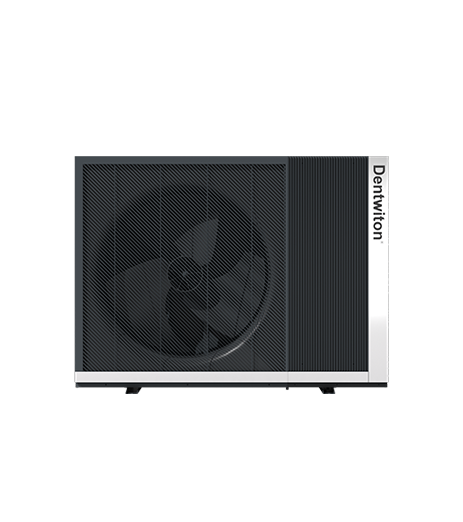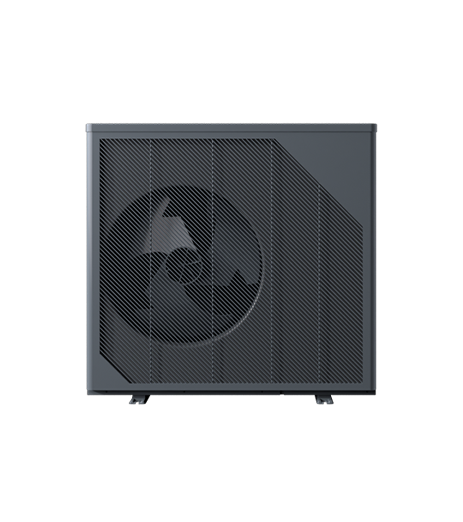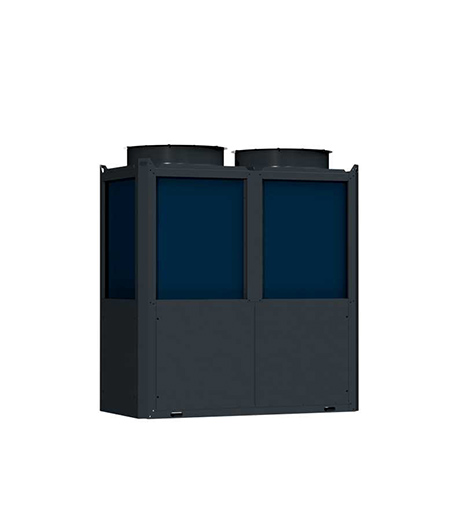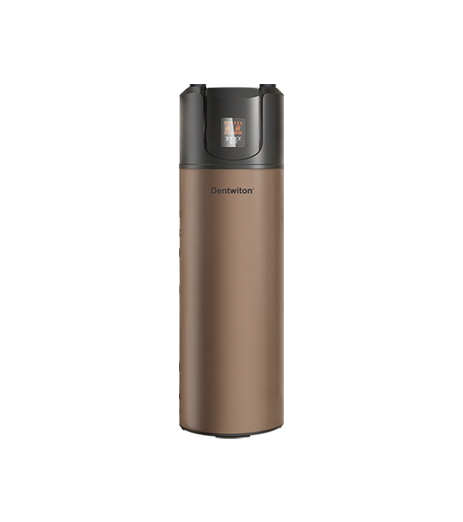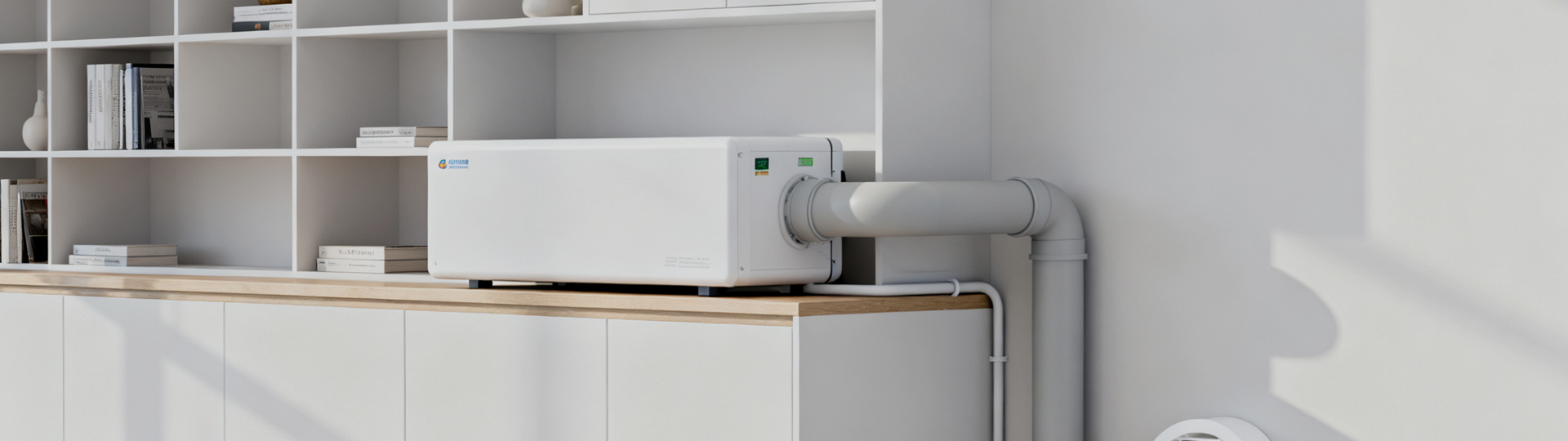
An air-to-air heat pump is an electrical device primarily used for heating and cooling spaces.This device extracts heat from the outside air.It then delivers this heat to your home through ductwork or an air handling unit.The heat is then transferred to the indoor air.
This means the appliance can provide warmth to your home in winter.In summer, various models can reverse this process, extracting heat from the indoors to cool the home.
●Air-to-air units are multi-functional devices that provide both cooling and heating, making them a source of comfort year-round.
●These units are generally more economical than air-to-water units, especially if you have mains ductwork.
●Air-to-air types are generally easier to install. They require fewer modifications to your home.
With these units, you can easily set different temperature zones in your home.
This saves energy and provides personalized comfort.
Air-to-air heat pump units are commonly used for space cooling and heating.Because these units do not provide domestic hot water, a dedicated system is required.
These types of units are more suitable for smaller homes and apartments because air-to-water units are not ideal.Let's take the UK as an example of a European country.Here, they are common in various office buildings.
Air-to-water heat pumps are primarily used for heating and domestic hot water.
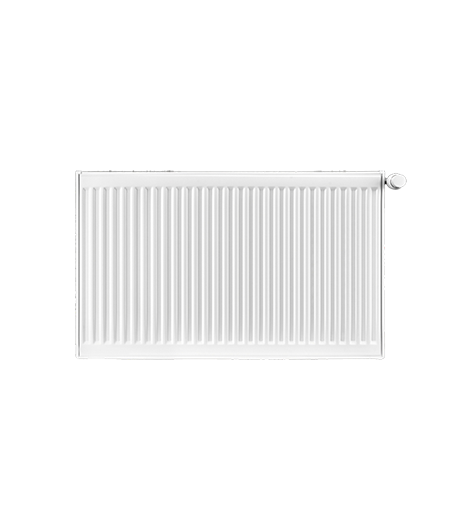
These heat pump units absorb heat from the outside air.They then deliver this water to a wet central heating system. This includes radiators or underfloor heating.
A hot water storage tank is used in these systems.It stores and supplies hot water to faucets, showers, etc.
In addition, some, but not all, air-to-water variants can also provide cooling.
Air-to-water heat pumps are known for their higher energy efficiency.This can result in significant savings on hot water and heating costs. Their efficiency can be up to 400%.
The noise level of an air-to-water heat pump is approximately between 40-50 decibels.This is similar to the noise produced by a refrigerator. This indicates that air-to-water varieties operate much quieter.
With these units, you can eliminate the need for a separate water heater or boiler.That's because they also heat domestic hot water.
They typically have lower maintenance costs.
Air-to-water heat pumps are becoming the preferred choice for residential and commercial applications.
These units are suitable for homes of all sizes, provided the house is well-insulated.Their compact models will meet your needs, especially in terms of space saving.
You'll also find models designed specifically for offices, shops, and other commercial properties.
As you can see, both versions of heat pumps are very efficient.Their efficiency can be demonstrated by values such as the Coefficient of Performance (COP).While the COP is measurable at a certain point, both heat pump models generally have higher values.
In addition, the Seasonal Performance Index (SCOP) measures efficiency over the entire heating season.The average SCOP value for air-to-water heat pumps is typically between 2.5 and greater than 4. For the air-to-air variant, this value is around 3.5, with the latest versions approaching 5.
While this means high efficiency, air-to-water heat pumps perform better.They cover domestic heating needs and also provide hot water.
Air-to-air heating alone may not provide all the heat you need, especially in winter.You may need to install a separate heating system to meet your needs.
Regarding easy and quick installation, air-to-air heat pumps are the ideal selection. They necessitate fewer modifications to your household than air-to-water units.
Let’s consider a mini-split installation of an air-to-air heat pump. Installation of such a system requires the following:
Ideally, that would function when heating a single room. You can use varied air handling units for multiple rooms (one in every room).
Installing air-to-water varieties is more complex. The unit must be integrated into a central heating system. Furthermore, a hot water storage tank is also requisite for hot water provision. All these add up to the installation complexity.
You may need to save money and make an economical choice. In that case, air-to-air heat pumps are the ideal selection.
In the UK, an air-to-air heat pump typically costs between £2400-£8800. Conversely, air-to-water heat pumps price ranges between £8400-£12350.
Moreover, the installation charges of air-to-air variants can range between £350 to £1700. That relies on installation complexity.
For air-to-water varieties, the estimated installation expenses are typically the same. Yet, it can go even higher. That’s especially true if you don’t have a central heating system. Your household may have a central heating system but lack adequate pipework or radiators. That can also add to the installation costs of air-to-water varieties.
The Boiler Upgrade Scheme (BUS) doesn’t cover air-to-air varieties in the UK. Being the principal UK government initiative, it does cover air-to-water variants. Through this, you can get a £7500 grant for their installation.
You may know that modern air-to-air and air-to-water heat pumps are much quieter. Typically, such variants make noise between 40-60 dB on average.
Yet air-to-water units have a slight edge here. That’s because the air-to-air heat pumps flaunt an outdoor unit. That can produce some noise. That may be a concern if you reside in a noise-sensitive area or near neighbours. To find out how noisy heat pumps are, click here.
You may know that the main unit of air-to-water heat pumps lies inside. Such heat pump varieties operate quietly without being affected by exterior noise. NEWNTIDE air-to-water heat pumps have noise levels as low as 40 dB(A), see product list.
Air-to-air heat pumps allow more flexibility in installation than their air-to-water counterparts.
That makes air-to-air variants favourable for smaller households and flats with lesser outdoor space. The outdoor units of air-to-air heat pumps are usually smaller than air-to-water systems.
Air-to-air heat pumps may necessitate the installation of air ducts throughout the property. Once installed, each room will feel more spacious. There’s no need for radiators to take up floor space and wall room.
Air-to-water variants necessitate sufficient indoor space for the main unit and storage tank installation. That makes a small water tank around 900mm high, x495mm wide x345mm deep.
When opting for one of these units, the following factors will aid you to decide:
If you are low on budget, air-to-air heat pumps are ideal. The expenses are much higher with air-to-water units.
You can use incentives like the UK’s Boiler Upgrade Scheme for air-to-water varieties. As stated before, it doesn’t cover air-to-air varieties.
Air-to-air heat pump systems are more fitting for warmer climates. That is especially true in regions where cooling can be acquired in summer, apart from winter heating.
In contrast, modern air-to-water heat pumps are fitting for varying climates. Such appliances can function efficiently in outside frigid conditions. They are especially fitting for regions with cold winters, like Central Europe.
Air-to-air variants are ideal for smaller homes and flats with little or no outdoor space. Such devices typically become less efficient the bigger your household is.
Conversely, large households can use air-to-water systems to provide hot water simultaneously.
You might need a multi-functional appliance that provides both heating and cooling.Then, install an air-to-air system.If your primary needs are heating and hot water production, an air-to-water system is ideal.
Air-to-air systems are economical, simple, and flexible to install, providing both heating and cooling.Air-to-water systems provide both heating and hot water more efficiently and are generally quieter.
 Add:8F, Xinghe Business Tower, 89 Jiefang Road, Hangzhou, Zhejiang, China




Copyright © 2026 Dentwiton. All rights reserved. 浙ICP备2025219677号