Here, we will delve into these issues to gain a clear understanding of both sides' positions. Finally, we will offer guidance on whether these systems are worthwhile.
Let's begin.
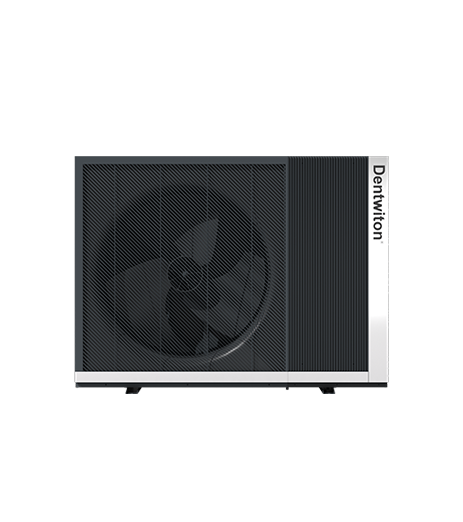
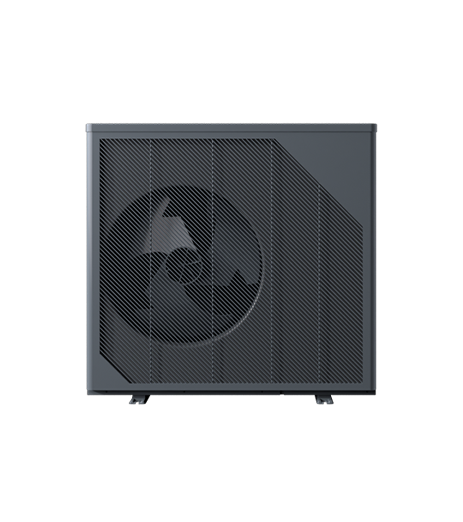
A heat pump is an appliance that transfers heat from one place to another.They achieve this by using a compressor and a structure that flows a gaseous or liquid refrigerant.
Therefore, the heat primarily comes from outdoor sources (such as air or the ground).It is then pumped into the interior. This is especially useful during cold seasons.
This heat pumping helps reduce electricity consumption.This is particularly true compared to methods that typically convert electrical energy into heat.It's important to note that heat pumps are multi-functional devices used to transfer heat, not generate it.
Furthermore, in the summer, this cycle can be reversed.Depending on the heat pump model, the unit will be used as an air conditioner.It is designed to provide indoor cooling, making the device multi-functional.
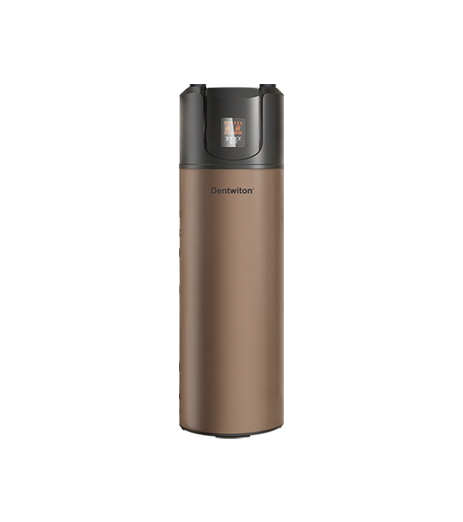
You might also use this system to heat water.The appliance model you choose may allow you to use the device for both space heating and hot water supply.
Heat pumps are the most efficient alternative to traditional boiler systems, especially in heating and cooling processes in homes and workplaces.
They typically provide heating/cooling capacity greater than the electricity consumed.Furthermore, their efficiency rating can reach 400%.
Understanding the advantages and disadvantages of a heat pump is crucial when choosing one, even before deciding to install such a system.
Here are the main advantages and disadvantages associated with heat pumps.This is especially true for their air-source and ground-source types:
Regardless of type, heat pumps often offer potential savings, a key reason for their popularity.This is also due to the exponential growth of energy bills in European countries like the UK.
As you can see, heat pumps are extremely efficient at transferring heat.This means significantly lower heating costs.This result contributes to substantial savings annually.
Heat pumps require less maintenance than combustion heating systems.They are generally easy to control and maintain, increasing user-friendliness.
Let's look at air-source heat pumps.They typically require only routine checks and occasional maintenance by the owner and heating technicians.
Heat pumps do not require on-site combustion procedures.This means they are safer and cleaner than traditional systems, especially gas boilers.
This also leads to improved indoor and outdoor air quality.
Heat pumps help reduce household carbon emissions due to their higher efficiency and lower fuel consumption.This not only improves the safety of family members but also benefits the planet.
The average lifespan of a heat pump installation is 15-20 years.Some units can even last up to 50 years.This is also a source of robustness and extreme reliability.
Funding and incentives are available throughout Europe to promote the installation of heat pumps.These programs enable households to switch to environmentally friendly alternatives to traditional heating systems.
Take, for instance, the UK’s government-backed Boiler Upgrade Scheme (BUS). It can grant up to £7500 towards heat pump upfront expenses.
Heat pumps have very high upfront expenses. For instance, an air-source heat pump generally costs between £8000 and £15000 in the UK. That’s for a 3-4 bedroom household.
Here, the average expenses of ground-source heat pumps are even higher (between £18000 and £35000).
Installing such a system can be more difficult and complex than conventional boilers.
As you see, it necessitates lots of starting and potentially delaying assessment. That’s before commencing the installation work. That can encompass heat loss surveys and local geology assessments.
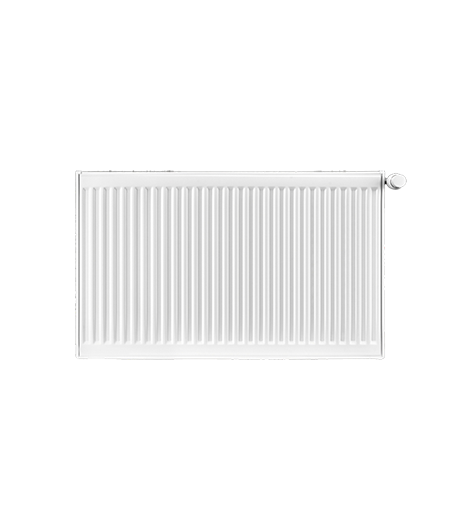
The aim is to determine heat pump suitability for your household. It’s also to ascertain what heat pump capacity you need. You may further be required to replace a few radiators with double or oversized radiators.
Some properties or households don’t possess adequate insulation for an optimal heat pump location. Without sufficient insulation, the heat produced by such a system would be lost.
Additionally, cavity wall insulation and loft insulation can substantially augment the expenses for installing the device.
You already know that heat pumps operate on electricity. As a result, you may notice an increase in electricity usage.
In the UK, electricity is currently three to four times more expensive per unit than gas. That may translate to higher running expenses for heat pumps compared with modern gas boilers.
Some heat pump models undergo performance issues in very cold weather. That is especially true for some air-source heat pumps, meaning their stated efficiency will be compromised.
Yet many modern air-source heat pumps claim to operate effectually in low temperatures. That typically ranges between -15 to -25°C.
On the contrary, ground-source heat pumps offer greater efficiency even during colder months.
The advantages of heat pumps demonstrate that they are a worthwhile investment as a long-term heating and cooling solution.
While the initial cost is higher, they are believed to reduce energy bills.Furthermore, they offer significantly improved energy efficiency and substantially reduced carbon emissions.
In short, the advantages of heat pumps far outweigh the disadvantages for many homeowners.
Purchasing a heat pump system can bring year-round comfort.It is typically a triple-function source of heating, cooling, and hot water.This, in turn, contributes to a more sustainable future.
Before making a decision, carefully consider your specific needs, budget, and climate conditions.Consult a heating professional in this regard. This is to determine if a heat pump is right for your home.
If you are interested in purchasing or would like to learn more about Dentwiton air source heat pumps, please contact us.
 Add:8F, Xinghe Business Tower, 89 Jiefang Road, Hangzhou, Zhejiang, China




Copyright © 2026 Dentwiton. All rights reserved. 浙ICP备2025219677号