Here, we'll guide you through the heat pump reset process in detail. We'll also discuss safety precautions to take before performing a reset. What should you do if a reset doesn't solve the problem?
Let's discuss these and more.
The heat pump reset function is a diagnostic tool for handling specific performance issues.However, it's crucial to recognize when to use this function with caution.
Here are some common signs and scenarios where a reset might be necessary:
Your heat pump system is unresponsive and won't start.In this case, a reset can be helpful.This is especially noticeable when there are no apparent problems with the thermostat settings or power supply.
You might find this affects airflow, causing electrical malfunctions during a power outage.Resetting the appliance can help restore normal function.
The heat pump control panel may display error messages or codes.Therefore, performing a reset may clear the fault.
Your heat pump may be operating erratically or below normal.In this case, you might consider a reset.
Your system may experience icing or freezing on the coils of the outdoor unit.This is especially true in cold weather.Defrost the unit and reset it to help resolve this issue.
The associated circuit breaker may trip.Therefore, resetting the appliance can resolve overload or other electrical problems.
Sensor failure can cause uneven cooling or heating.This procedure helps recalibrate the unit and resolve sensor-related issues.
You are likely considering resetting the heat pump.Before doing so, it's necessary to review some safety precautions and simple troubleshooting steps.The goal is to rule out minor problems.
Specifically:
Check that the thermostat has selected the installation temperature and mode (cooling/warming).
Inspect the outdoor unit of the system for ice, debris, or other obstructions.These can affect airflow and cause equipment malfunction.
A clogged air filter can hinder the proper functioning of the heat pump.Before resetting the unit, ensure the filter is clean and free of impurities.
For safety, always ensure the heat pump is disconnected from the power supply.This is especially important before attempting to reset the unit.This prevents electric shock or system damage.
Wear appropriate safety equipment, such as goggles or gloves.This will help you handle electrical components.
Ensure the space around the electrical appliance is well-ventilated.This is to prevent the buildup of potentially harmful gases.
Depending on the specific cause of the problem, this process can be both tedious and simple.You can try it yourself or seek help from a professional HVAC technician.
Alternatively, you can contact the heat pump manufacturer for assistance with the process.
Here are the key steps to achieve your goal:
First, turn off the thermostat.This ensures the heat pump system will not start during the process.
Next, locate the power switch.Many systems have an external power switch near the outdoor unit. It is usually mounted on the wall.
It may look like a simple switch or circuit breaker.
Turn off the power. This disconnects the heat pump from the power supply, so it's safe to continue.
Allow your heat pump system to shut down for approximately 5 to 10 minutes.This time is crucial to determine if all remaining electrical charge in the heat pump has been discharged.
Following the waiting period, turn the power switch to the “on” position. Your heat pump system should have a fresh start. It’s now ready to function effectually and efficiently.
The last step in the process is to turn the thermostat back. You can then set it to your intended temperature. Consequently, you can observe your heat pump resume its expected operation.
Bear in mind that the above are generalised guidelines. Moreover, your heat pump model may have distinctive requirements. It’s wise to consult the manufacturer’s manual about model-specific resetting steps.
It’s also probable that your heat pump has a dedicated reset button. Or it could be via a circuit breaker. When a fault occurs, you can attempt to perform the procedure in such a way:
Yet such a method via the reset button may vary, relying on the model and manufacturer.
You may still encounter persistent problems, or feel uncertain or uncomfortable after resetting. Then, initially, it’s wise to consult the device’s user manual to troubleshoot the issue. In this regard, you may further check the following:
It’s best to turn to a qualified HVAC technician if it doesn’t work. By getting professional service, you get the following advantages:
Essentially, resetting a heat pump can be a convenient step to resolve minor issues, such as error messages on the control panel or persistent poor performance.
However, understanding when a reset might be necessary is crucial.The underlying problem should also be identified.
One possibility is that the problem persists even after a reset, or you're unsure.In that case, the best course of action is to seek help from a qualified HVAC technician.
Regular maintenance of your heat pump and timely professional support are also essential.This ensures your appliances run smoothly and provide comfort year-round.
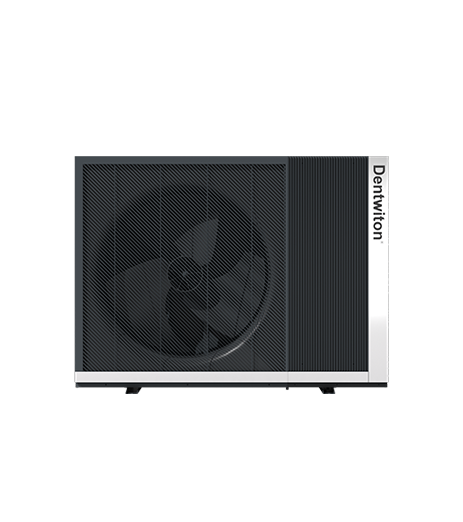
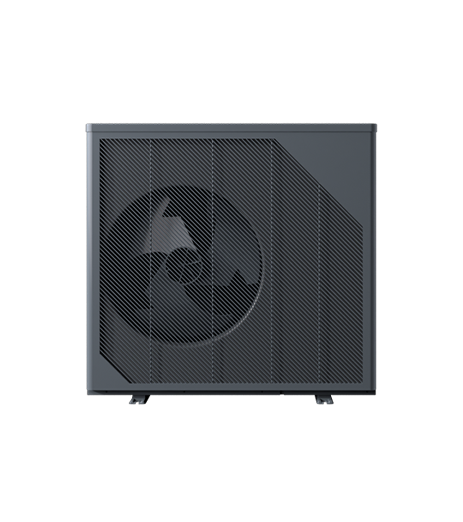
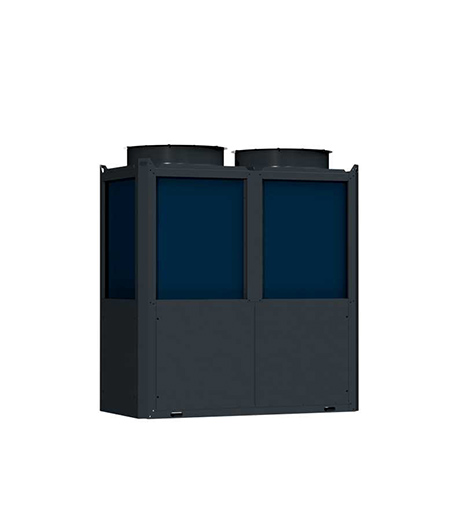
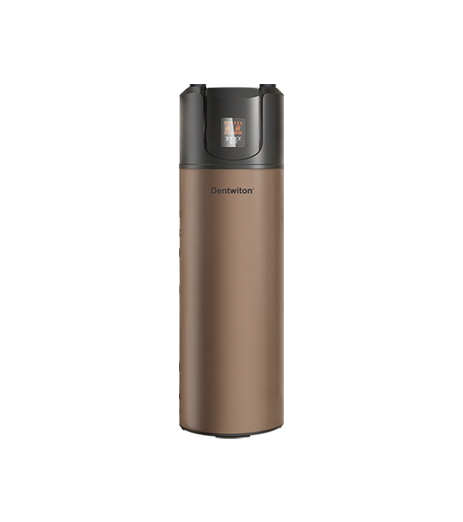
You may know that Dentwiton is a well-known manufacturer of air source heat pumps.These units typically offer three functions: cooling, heating, and domestic hot water.View all products.
 Add:8F, Xinghe Business Tower, 89 Jiefang Road, Hangzhou, Zhejiang, China




Copyright © 2026 Dentwiton. All rights reserved. 浙ICP备2025219677号