Let's take the UK as an example of a European country.According to British Gas, heat pump installation costs start from £7,999 here.
In addition, the UK government provides a £7,500 grant under the Boiler Upgrade Scheme (BUS).With this grant, the cost starts from £499.
However, many households require additional work to achieve optimal performance for their gas-powered equipment.According to 2023 data, the average cost of a heat pump installation is £5,690. This includes the £7,500 grant.
Similar to boilers, heat pumps require regular maintenance by professional heating technicians.This is to keep the equipment running efficiently and help avoid breakdowns.
According to British Gas, the cost of heat pump maintenance in the UK is around £200.You may need to do it annually. This will help ensure that the heat pump system lasts at least 20 years.In comparison, gas boilers typically have a lifespan of around 10 to 15 years.
Some tasks that professionals can perform during maintenance and upkeep include:
Air source heat pumps have lower operating costs.This is particularly different from gas, oil, or electric heating systems.
According to GreenMatch, the operating cost of a heat pump in the UK typically ranges from £855 to £1700.This is less than that of an oil boiler or resistance heater, which costs over £2000 per year.
Furthermore, the table below shows the operating costs for gas-source heat pumps.This is concerning, especially considering the size of the household and the approximate annual energy demand. For comparison, the operating costs of gas boilers are further listed.
| House size | Approximate annual energy demand | Annual operating cost of heat pump | Annual operating costs of gas-fired boilers |
| One-bedroom apartment | 8000kWh | £855 | £780 |
| 2-3 bedrooms | 12000kWh | £1,205 | £1,130 |
| More than 4 bedrooms | 17000kWh | £1,700 | £1,615 |
Source:GreenMatch
These costs are average.The following factors affect the operating cost of a heat pump:
Various factors affect the overall cost of a heat pump.In short, these are as follows:
The level of insulation in your home is the first factor to consider.Modern, well-insulated homes can use small and less expensive heat pumps.
The better the insulation, the less energy the appliances require.This is to maintain a comfortable indoor temperature.
If your home is poorly insulated, heat can be lost quickly.Therefore, the heat pump unit may need to work harder, increasing operating costs.
If you live in an older house, you may need to upgrade your insulation.
According to Checkatrade, cavity wall insulation in the UK costs between £950 and £4600.Therefore, upgrading your home's attic insulation would cost approximately between £654 and £1206.These costs depend on the size of your property.
Property size also affects the cost of an air source heat pump.Larger properties typically require larger heat pumps. These heat pumps are more expensive to purchase and install.
According to Checkatrade, a well-insulated three-bedroom home might require a 5kW air-source heat pump.In contrast, a poorly insulated home might require a 7.5kW heat pump.
The type of air source heat pump also affects the overall cost of the system.According to GreenMatch, an air-to-air heat pump in the UK costs between £4,000 and £9,500.In contrast, an air-to-water heat pump costs between £8,000 and £16,500.
This means that the type of heat pump you choose will affect the installation cost and complexity.If you live in a smaller property, such as an apartment, you might consider an air-to-air heating solution. It heats the home via a fan, rather than underfloor heating or radiators.
Heat pumps come in a wide variety, ranging from affordable to high-end brands.The latter are generally more expensive.
High-end brands may offer superior performance, the latest features, and extensive warranties.You must consider balancing the required features and capabilities within your budget.
You may know that the efficiency of a heat pump can be measured by its coefficient of performance (COP).This refers to the heat energy produced per unit of electricity consumed by the system.A good COP value is typically between 3.0 and 5.0.
You can see that heat pumps with higher COP values also have higher upfront costs.That's because they use advanced technology. However, over time, it will become a source of higher energy consumption.
Conversely, less efficient air source heat pump models are more economical.However, their operating costs will be higher.
The cost of air source heat pumps also depends on available grants and other incentives.
Therefore, you can alleviate the financial burden of investing in a heat pump system.According to GreenMatch, up to £7,500 in grants are available for installing an air source heat pump.This is through the UK Boiler Upgrade Scheme.
Please note that many grants are region-specific.Furthermore, it is recommended that you check the relevant policies in your area.
According to GreenMatch, the average cost of an air source heat pump in the UK in 2025 will be between £8,000 and £15,000.This depends on various factors, such as home size and system specifications.
UK homeowners can receive a £7,500 grant through the Boiler Upgrade Scheme.This significantly reduces the average installation cost to between £500 and £10,500.
Air-to-water heat pumps are more expensive than air-to-air heat pumps.According to GreenMatch, the former costs approximately between £8,000 and £16,500.In contrast, the latter costs approximately between £4,000 and £9,500.
Many European countries offer incentives and grants to reduce heat pump costs.Such incentives typically vary by country.
According to Euronews, homeowners in Spain can receive grants of up to €3,000.This is the target for air source heat pump installation.Similarly, landowners in Germany can receive a grant of up to €15,000 for purchasing a gas source system for an existing property.
You may need to upgrade your home to install an air source heat pump.In short, this can include the following:
Improving home insulation: Recommended if your home lacks attic and cavity wall insulation.
Heat pumps are highly efficient in well-insulated homes.
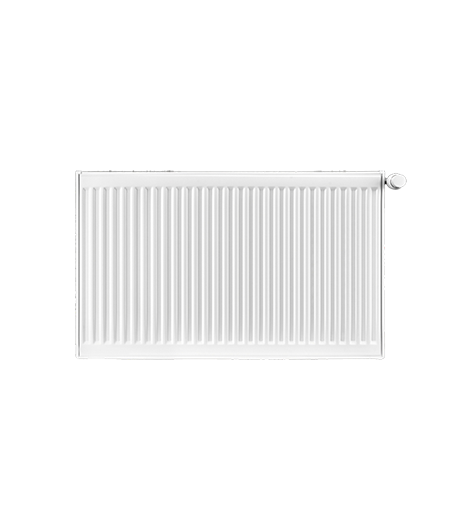
Larger radiators: These units operate at temperatures lower than gas boilers.
Therefore, you may need larger radiators with a larger surface area.
Newer piping: Heat pumps require higher flow rates and larger water volumes compared to boilers.
If some of your existing piping is narrow, upgrades may be necessary
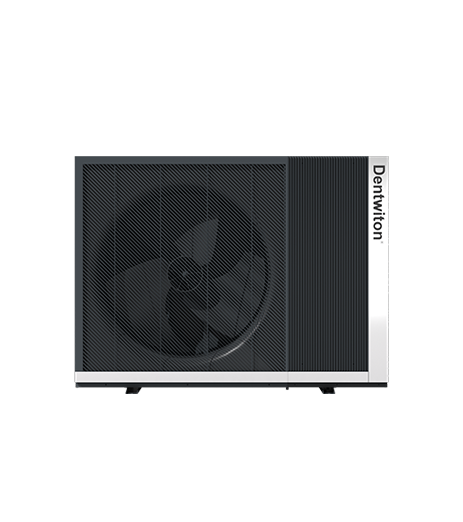
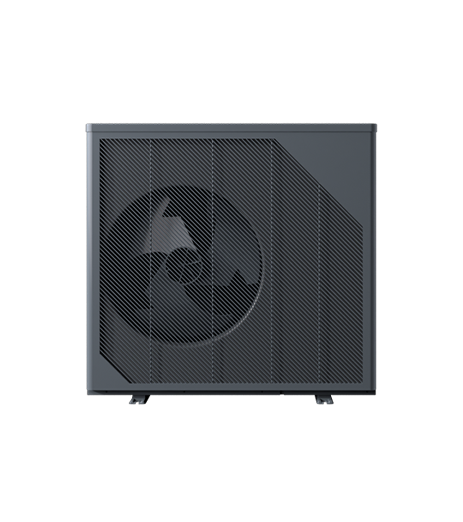
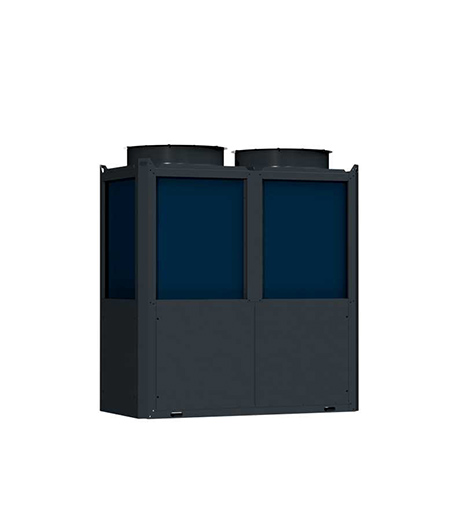
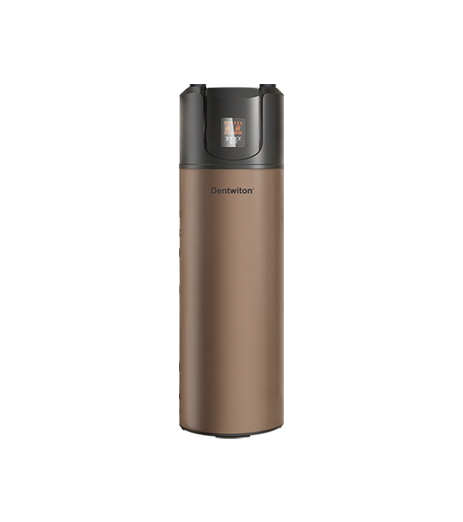
Dentwiton, a global leader in heat pump manufacturing headquartered in China, offers top-of-the-line air-to-water heat pump products, including our advanced inverter series.These versatile units provide heating, cooling, and hot water for residential and commercial use.Our heat pumps comply with EN 14825 and EN 14511 standards and are CE and Keymark certified, ensuring reliability and superior quality.
 Add:8F, Xinghe Business Tower, 89 Jiefang Road, Hangzhou, Zhejiang, China




Copyright © 2026 Dentwiton. All rights reserved. 浙ICP备2025219677号