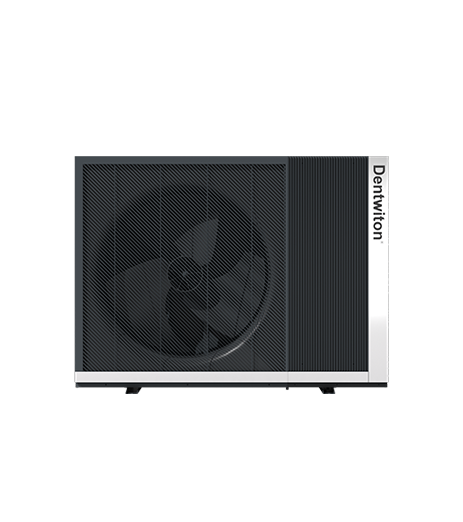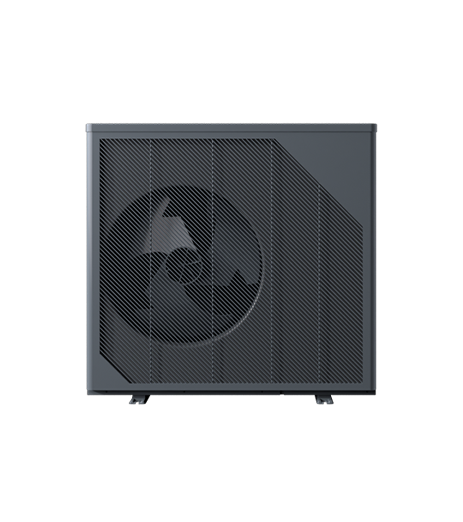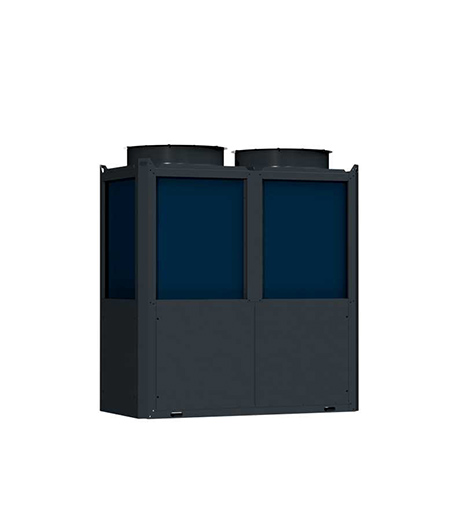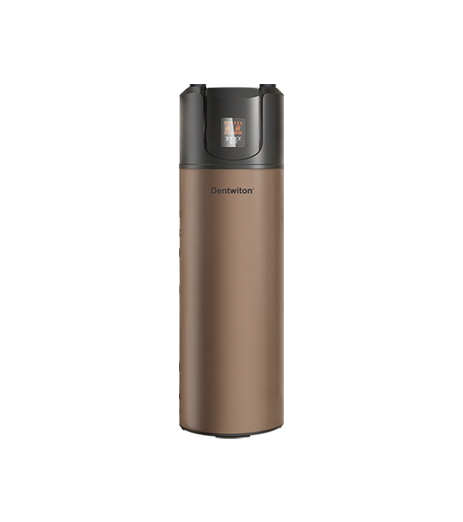
The correct size is one of the most important factors in ensuring a heat pump operates efficiently, reliably, and economically.Whether for residential or commercial applications, the size of a heat pump directly impacts its ability to maintain comfortable indoor temperatures, energy consumption, and overall lifespan.What happens if you use the wrong size heat pump?
Smaller units struggle to meet heating or cooling needs, running longer and consuming more electricity.
Oversized units require frequent on/off cycles, increasing wear and tear and shortening their lifespan.
Both of these scenarios increase costs, reduce comfort, and shorten the heat pump's lifespan, which is contrary to the ideal of an efficient system.Therefore, matching the heat pump's capacity to your home's maximum heating or cooling needs is crucial.The right size ensures the system meets requirements without consuming excessive energy.

House Size and Layout: Larger houses or residences with more rooms typically require larger capacity heat pumps.
Multi-story houses or irregular layouts may require special attention to ensure even heating.
Insulation and Airtightness: Check the insulation of walls, floors, attics, windows, and doors, and consider air leaks and ventilation.They can accurately calculate your heat load. Well-insulated and airtight houses are better insulated and therefore require smaller heat pumps;poorly insulated houses require larger equipment to compensate for more heat loss.
Energy Efficiency Rating:Due to performance differences at different temperatures, high-efficiency models may require slightly different size considerations.
If you would like to learn more about how to properly configure a heat pump system, please click here for more details.
Don't leave comfort or energy bills to chance.Contact Dentwiton today for professional heat pump sizing and consultation.Our experts will carefully evaluate your home or business and recommend the system best suited to your needs.Let us help you maximize comfort, efficiency, and peace of mind.Contact Dentwiton today to start saving money.
 Add:8F, Xinghe Business Tower, 89 Jiefang Road, Hangzhou, Zhejiang, China




Copyright © 2026 Dentwiton. All rights reserved. 浙ICP备2025219677号