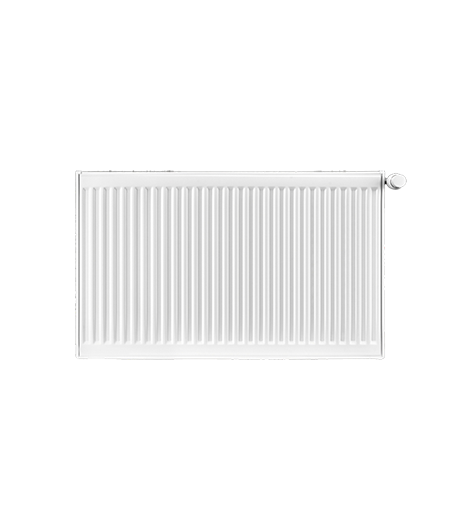
We recommend different types of residential heating systems, each with unique characteristics, advantages and disadvantages. Let us take an in-depth analysis of them to help you find the most suitable solution for your home.
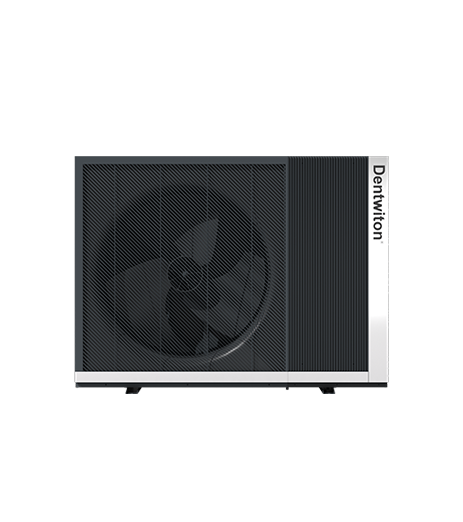
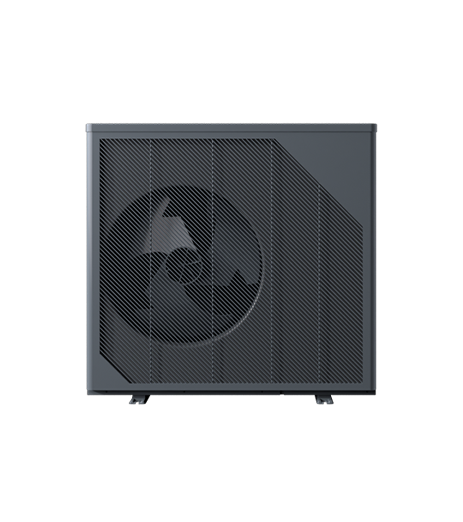
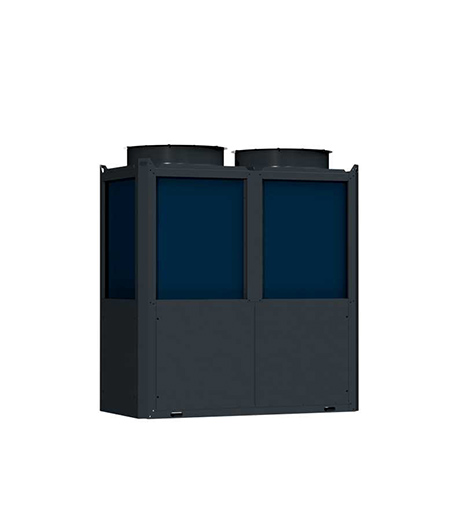
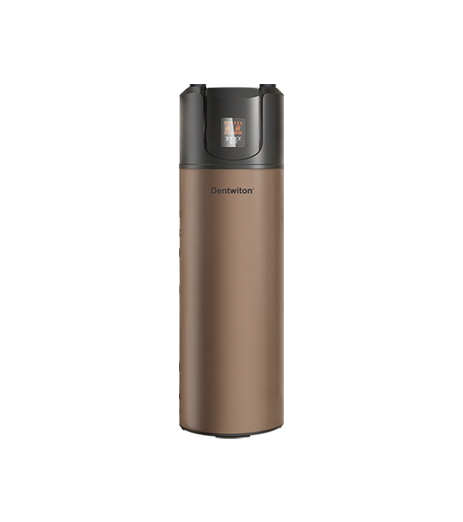
Heat pumps are one of the latest types of combined heating and cooling systems, and are increasingly becoming a popular choice for households. Their working principle is similar to that of air conditioners, which is why the comparison between air conditioners and heat pumps is often a topic of discussion.
Source: Dentwiton
In residential settings, air-source heat pumps are the most commonly used type. They capture heat from outdoor air and transfer it indoors by circulating refrigerant. The process is reversed in summer to provide cooling. There are also geothermal or ground-source heat pumps, which generate thermal energy from the ground.
Provides heating and cooling solutions
Energy-efficient and typically lower operating costs
No natural gas required
Stable heating performance
Reduces environmental impact, making it more preferable than furnaces, wood burning, coal-fired mines, etc.
Enviable government incentives and subsidies for individuals purchasing heat pumps
Insufficient heat supply in environments below -30 ℃
High upfront installation costs
Stoves are also known as "forced air heating systems." They generate heat in the air by burning fuel (which can be natural gas, propane, oil, or electricity). The hot air is then distributed throughout the house via ducts and vents using fans.
Furnaces come in various types and efficiencies, so it's important to choose one that meets your specific needs. Furnace efficiency is calibrated by annual fuel utilization efficiency (AFUE); the higher the AFUE, the more efficient the furnace.
Compared to other types of heating processes, it requires virtually no maintenance
It uses ductwork that can be connected to air conditioning systems
It is more economical due to lower fuel costs and improved energy efficiency
Potential risks of fire, explosion, and carbon monoxide poisoning
Allergens can enter the home through fans and ductwork
These types of home heating are hot water systems that involve heating water in a central boiler using natural gas, a mixture of biodiesel, fuel oil, propane, or electricity. The heated water is circulated through a network of pipes to professionally installed radiator units, which are installed throughout your home. The steam from the water is then released at the radiators and distributed throughout the house.
Once the steam is used up, the water returns to the boiler for reheating. This process continues until your home reaches the desired temperature. Boilers are common in older houses and apartments.
Advantages:
Best suited for zoned heating
Requires almost no maintenance because there are no filters
Circulates heat evenly throughout the home
Potential for pipe leaks
Cannot be used with air conditioning systems
These types of home heating systems can be electric or hydroelectric. They operate through thermal radiation and electromagnetic waves. Unlike other types of heating processes that heat the air, this system heats the floor directly. It involves strategically installing electrical wires or water-filled pipes beneath the floor.
The feeling of floor radiant heating is like stepping out of bed on a cold morning, with the warmth of the floor touching your feet.
Very discreet and quiet
Can be powered by solar energy
Does not create an allergen distribution space like a forced air system
Requires floor replacement during installation
Higher initial costs compared to other types of home heating systems.
This is the best option for those looking for an affordable way to stay cozy during the winter. Wood is cheaper than other fuels and, depending on your area, is readily available.
However, due to pollutants associated with wood combustion, the Environmental Protection Agency (EPA) enacted laws to reduce smoke emissions from wood heating. This led to the invention of wood-fired heater technologies, such as pellet stoves, which use compressed pellets made from wood or other organic materials.
Advantages:
More environmentally friendly than fossil fuels
Very inexpensive
Easy to apply for, depending on specific circumstances
Inefficient at transferring heat from one room to another
May cause a fire if improperly installed
This is a more modern type of home heater that uses solar energy.
It collects energy from the sun to heat a fluid (which could be a liquid or air) and then transfers the heat directly to the living space. The heat can also be transferred to a storage system for later use.
Unfortunately, active solar heating systems rely on other heaters such as boilers, heat pumps, and radiant heating systems to achieve 100% efficiency. This mostly occurs in extremely cold weather when sunlight is insufficient to generate solar energy.
A very environmentally friendly heating method
Helps save on water and electricity bills
Increases the value of your home
High initial cost
Requires a backup heating system
This heating system, also known as an "octopus furnace," is a modern version of traditional furnace heating technology. Unlike traditional furnace heating systems that force hot air into the room, gravity air furnaces distribute air through ducts.
It heats the air by installing a gravity-fed air furnace in the basement, and then ducts the heated air and heat into the room. This process is repeated as cool air returns to the furnace through a cold air return duct. The system simply allows hot air to rise and cold air to sink. While not highly energy-efficient, it is durable and easy to maintain, which is why some people still use it.
No moving parts, can last for decades
Almost no maintenance required
Very quiet operation
Poor air filtration
Less energy efficiency
Slow temperature changes
This heating system combines the energy efficiency of a heat pump with the power of a gas boiler.
One advantage of heat pumps is their energy efficiency, but they cannot operate in extremely cold weather. This is where the gas boiler comes in, bringing its efficiency to 100%.
Typically, heat pumps operate at full capacity, while gas furnaces heat the house to the desired temperature in extreme weather. Because the two heating systems work together, they are less stressful to operate and require less maintenance.
Worry-free heating system in winter
More efficient than a heat pump or furnace alone
Automatic start-up in extreme weather
Disadvantages:
High installation costs
Frequency requires maintenance and inspection
This is a modern heating system that uses electricity. As the name suggests, it requires no wall ductwork. This makes installation simpler and maintenance less frequent.
Furthermore, this type of heater does not generate heat; it simply transfers air between components.
In addition to heating the house, ductless mini split air conditioners can also cool the house when the outdoor environment is hot. This heating system uses an indoor air handling unit and evaporator coils, equipped with an outdoor compressor and condenser coils, to transfer heat into the room.
No ductwork required
Can also be used as an air conditioning system
High installation costs
Requires professional measurement and installation
Requires multiple units to be distributed across rooms
Also known as "hydrothermal systems," this is a modern form of floor radiant heating. Instead of using pipes under the floor, this heating process uses a boiler to heat water, which is then piped to the baseboard heating units. The boiler can be powered by gas, oil, propane, or electricity.
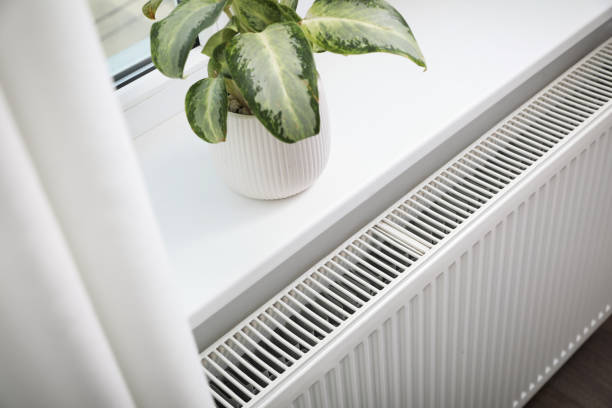
Heat pump systems use radiators that transfer heat to the room through thick steel fins. Hot air rises from the heater, while cool air falls onto the baseboard heater.
Excellent energy efficiency
Quiet operation
Easy temperature control
Cannot be used with air conditioning units
House pipes are prone to freezing if the boiler stops working
As the name suggests, this system operates on electricity. However, due to high electricity costs, it is not used as a primary home heater. Nevertheless, it remains a good supplementary heating system for small rooms in the home, such as home offices, garages, and basements.
The installation process for resistance heating systems is simple. Just plug them into a power outlet and they're ready to go. They're portable, with no moving parts, making them easy to carry and use.
Can be used anywhere there's electrical wiring.
No ductwork or complicated installation required.
Quiet operation.
It consumes a lot of electricity and can potentially overload the circuit.
When using coal-fired power, it emits a large amount of carbon.
This type of heating system is best suited for those who want to heat very small spaces or need a decent alternative to supplement their existing heating.
They are also known as "portable or plug-in heaters" because they look very small. Once plugged in, they begin heating the room immediately. Some modern electric heaters are equipped with cooling fans, which are very helpful in hot climates.
Electric heaters are easy to install and require no natural gas or pipes, making them ideal for those looking to avoid complex heating systems.
Heats up instantly upon plugging in
Very compact and portable
Easy to install
Cannot heat larger rooms
Safety may be an issue if the heater accidentally falls.
The different types of home heaters mentioned above essentially perform the same function: keeping your home warm. We understand that choosing between them can be confusing. To help you make an informed choice, here are some factors to consider:
Cost: Take the time to assess the cost of purchasing your heater, installation, and ongoing monthly energy costs. This will give you a comprehensive understanding of long-term costs. Also consider potential rebates, tax credits, and any incentives. This is especially important for heat pumps. Consult a professional air-to-water heat pump manufacturer to fully understand their associated benefits.
Climate: Your preferred heating system should significantly improve your quality of life.
It should meet your temperature control needs and operate quietly. If winters are extremely harsh, you should choose a high-performance heating system with optimal performance. Choosing a heating system that suits your climate and lifestyle can help you avoid future disappointments.
Energy Efficiency: This is crucial if you want to reduce energy consumption and save on utility bills. Before choosing, compare the annual fuel utilization efficiency (AFUE) and seasonal energy efficiency ratio (SEER) ratings of different types of residential heating systems you prefer. Furthermore, more efficient systems like heat pumps often receive rebates and tax benefits to offset their higher initial costs.
Property and Family Size: Consider the size of your home and the number of people living there. Smaller homes require less heat than larger homes. Therefore, you can consult a professional to select the appropriate power source for your heating system.
Regular Maintenance and Repairs:Consider the difficulty and cost of maintaining each heating system. Long-term, expensive maintenance and repairs can make an initially inexpensive system become very costly. High-quality heating equipment that is easy to maintain is the best choice for everyone, and heat pumps are one such option.
Heating systems are a costly investment that is expected to last for many years. Therefore, it is important to compare different types of home heaters to find out which best suits your needs. Additionally, you may want to consider consulting an HVAC professional for more information. Please feel free to contact us; we are always ready to assist you.
 Add:8F, Xinghe Business Tower, 89 Jiefang Road, Hangzhou, Zhejiang, China




Copyright © 2026 Dentwiton. All rights reserved. 浙ICP备2025219677号